
Does Playing Mobile Games in a Dark Room Damage Your Eyes?
Playing mobile games in a dark room commonly causes eye strain and discomfort, but it rarely creates permanent damage. Follow practical tips to reduce strain and protect your vision.
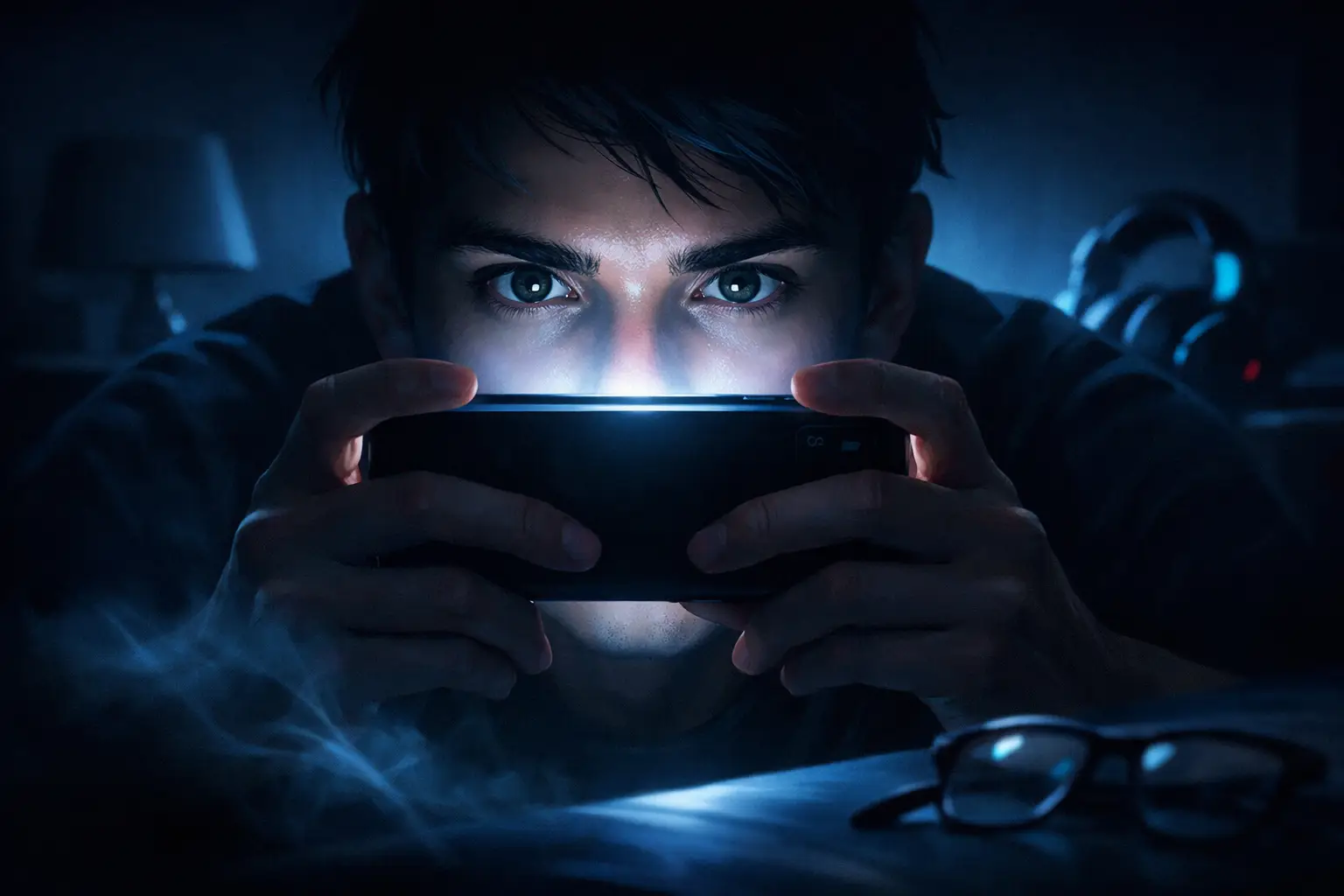
Can playing in a dark room damage your eyes?
Mobile gaming in a dark room is a common habit, especially for late-night sessions. While it usually doesn’t lead to permanent damage for most adults, it does increase the chance of digital eye strain and short-term discomfort. Symptoms like dry eyes, blurred vision, headaches and sore neck muscles are common when you stare at a bright screen in low ambient light.
How low light affects your eyes
In dim environments your pupils dilate to let in more light. That increases the contrast between your bright phone screen and the surrounding darkness, making the eyes work harder. Prolonged near focus and frequent blinking reduction—common during gaming—contribute to dryness and irritation.
Blue light from screens can disrupt your sleep cycle if you play before bed, and harsh glare or high contrast can worsen short-term discomfort. However, current evidence does not support the idea that normal mobile screen use in the dark directly causes permanent vision loss.
Short-term vs long-term effects
Short-term effects are reversible: if you rest and adjust lighting, symptoms usually improve within hours or days. Long-term risk depends on repeated behaviors. Chronic, uninterrupted near work with poor lighting can contribute to persistent symptoms and might exacerbate existing refractive issues in children and teens whose eyes are still developing.
If you notice a steady decline in vision, increased need for stronger prescriptions, or persistent symptoms, you should consult an eye care professional. Regular eye exams help catch problems early and provide individualized advice.
Practical tips for mobile gamers
Small adjustments can make long gaming sessions more comfortable and safer for your eyes. Try these practical strategies:
- Use ambient lighting: avoid total darkness; a soft lamp or bias light behind the screen reduces contrast and glare.
- Adjust screen brightness: match the screen to surrounding light. Automatic brightness settings help but check manually in very dark rooms.
- Enable night mode or blue-light reducer: warm color temperatures in the evening reduce sleep disruption and can be gentler on the eyes.
- Follow the 20-20-20 rule: every 20 minutes, look at something 20 feet away for 20 seconds to relax focus.
- Blink often and stay hydrated: conscious blinking reduces dry eye symptoms during long sessions.
- Maintain distance and posture: hold the device slightly below eye level and at a comfortable distance to avoid neck strain.
- Limit late-night sessions: reduce screen time before bed to protect sleep quality and recovery.
Setting up a gamer-friendly dark room
Creating a better environment doesn’t require a full room makeover. A few changes can dramatically reduce strain and make gaming more comfortable.
Place a low-intensity lamp or LED strip behind or beside your seating area to create indirect ambient light. Avoid bright overhead lights or reflections hitting the screen. If you prefer very dark surroundings, use a small, warm-toned light behind the screen (bias lighting) to reduce contrast without disturbing the game atmosphere.
When to see an eye doctor
Most symptoms from gaming in the dark are temporary. See an optometrist or ophthalmologist if you experience persistent blurred vision, double vision, eye pain, light sensitivity, or frequent headaches. For children, parents should watch for squinting, rubbing eyes, or a decline in school performance—these can be signs that vision needs checking.
Regular eye exams are especially important for gamers who spend many hours each day on near tasks. An eye care professional can rule out underlying conditions and recommend screen breaks, glasses with anti-reflective coatings, or specialized lenses if appropriate.
Balancing enjoyment and eye health
You don’t need to give up mobile gaming to protect your eyes. With a few sensible habits—better lighting, sensible breaks, and proper positioning—you can reduce immediate discomfort and lower the chance of longer-term issues. Make eye care part of your gaming routine just as you would manage battery life or device temperature.
FAQ
Can playing in the dark cause permanent eye damage?
For most adults, playing in the dark causes temporary symptoms such as eye strain and dryness rather than permanent damage. However, repeated poor habits and prolonged near work without breaks may worsen existing vision problems over time, especially in children whose eyes are still developing.
Is blue light from phones dangerous to my eyes?
Blue light from screens contributes more to sleep disruption than to direct eye damage. Using night mode or blue-light filters in the evening can reduce sleep disruption and make viewing more comfortable, though these measures do not replace good lighting and regular breaks.
How often should I take breaks during long gaming sessions?
Follow the 20-20-20 rule: every 20 minutes, look at something 20 feet away for 20 seconds. Also take longer breaks every 60–90 minutes to stand, stretch, hydrate, and rest your eyes.
Will lowering screen brightness help when gaming in a dark room?
Yes. Lowering brightness to more closely match ambient light reduces contrast and glare, which helps prevent strain. Avoid turning brightness down so far that you squint or lean closer to the screen—both increase strain.
Are kids more at risk from gaming in the dark?
Children can be more sensitive to prolonged near work and poor lighting. Parents should encourage good lighting, regular breaks, and routine eye exams. If you notice changes in a child’s vision or behavior, schedule an eye check-up.
Play smart: with a few easy adjustments you can keep late-night gaming enjoyable and easier on your eyes.